
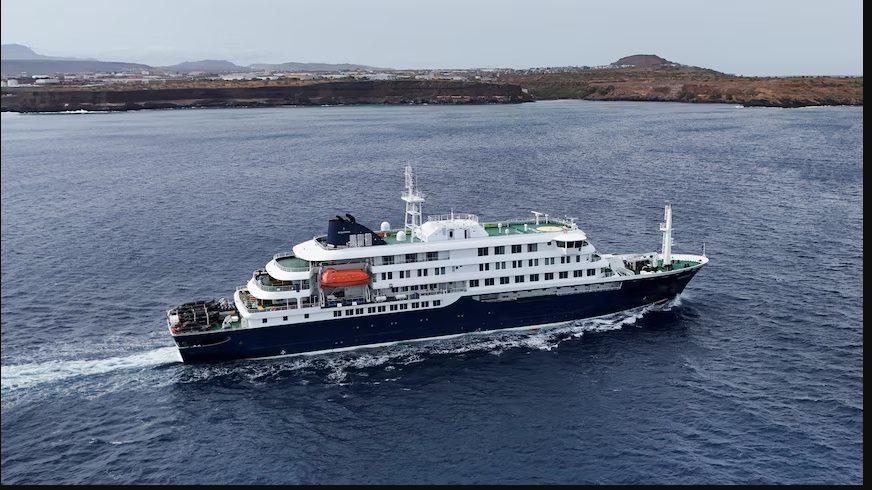
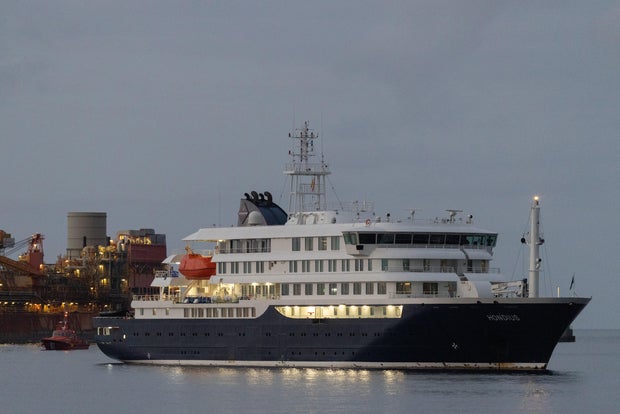
Health officials across the world are continuing to monitor passengers from the cruise ship MV Hondius after several people on board were infected with the Andes strain of hantavirus. The outbreak has triggered an international health response, with authorities working to evacuate passengers safely and prevent any further spread of the virus.
The cruise ship had been travelling near isolated wildlife regions in South America before the infections were discovered. After the outbreak was identified, passengers and crew members were removed from the ship in stages and flown back to their home countries under strict medical supervision. Some travellers were placed on chartered flights, while others travelled inside special biocontainment units designed to reduce possible exposure during transport.
Several countries immediately introduced precautionary isolation measures for returning passengers. In the United Kingdom, a group of British travellers was transported to Arrowe Park Hospital after arriving at Manchester Airport from Tenerife. They were monitored by medical teams before beginning a longer isolation period at home.
Spain also ordered mandatory quarantine for some returning passengers at a military hospital in Madrid. In France and the United States, health officials continued observing passengers after some began showing mild symptoms associated with hantavirus. Authorities are also tracing people who may have had contact with infected passengers during flights, hospital visits, or time spent aboard the ship.
What Experts Know About the Virus
According to health experts, the Andes strain of hantavirus spreads very differently from highly contagious viruses such as influenza or Covid-19. The World Health Organization has stressed that the outbreak is not considered the beginning of a pandemic because the virus is far less infectious.

Hantavirus is usually carried by rodents, with humans often becoming infected after breathing in virus particles from rodent urine, saliva, or droppings. Because the cruise travelled through remote natural regions, investigators believe one passenger may have been exposed either before boarding or during one of the excursions.
Although human-to-human transmission is uncommon, scientists know that the Andes strain can occasionally spread through very close and prolonged contact. Experts believe this may have happened aboard the ship, where passengers spent long periods sharing cabins, dining areas, and other enclosed spaces.
So far, eight cases linked to the cruise have been identified, including six confirmed infections. Three people connected to the voyage died either while on the ship or shortly after leaving it, while several others required emergency medical evacuation for treatment.
One of the deaths involved a Dutch woman who left the vessel at St Helena Island. Reports say she had been sharing a cabin with her husband, who had died earlier during the trip. Investigators are still trying to determine whether his death was directly linked to hantavirus.
Symptoms, Isolation and Global Monitoring
Health agencies continue to reassure the public that the risk to ordinary people remains extremely low. Officials say the virus does not spread through casual social interaction in places such as schools, shops, workplaces, or outdoor public spaces.
Symptoms of hantavirus can appear between two and four weeks after exposure, though in some cases they may take more than a month to develop. This delayed incubation period is one reason why returning passengers are being asked to isolate for extended periods.
Early symptoms often resemble the flu and may include fever, fatigue, muscle pain, headaches, and chills. Some patients later develop nausea, vomiting, diarrhoea, stomach pain, and breathing difficulties. While there is currently no specific cure for hantavirus, doctors say early medical support and hospital care can improve survival chances.
Health officials are now carrying out large-scale contact tracing efforts connected to the outbreak. Authorities are monitoring passengers, healthcare workers, airline staff, and anyone else who may have been exposed during the evacuation process. Experts say investigations into how the outbreak began are still ongoing, while countries continue to monitor for any additional cases in the coming weeks.

🇺🇸 Average US Income Benchmarks
| US Median Household Income | $74,580 |
| US Average Individual Income | $63,795 |
| Top 10% Threshold | $191,000 |
| Top 1% Threshold | $591,000 |
🎬 Celebrity Net Worth Tiers
| Rising TV Actor | $500K - $5M |
| Established TV Star | $10M - $30M |
| Movie Star | $50M - $150M |
| A-List Celebrity | $200M - $500M |
| Entertainment Mogul | $1B+ |
📈 Did You Know? The S&P 500 has returned about 10% annually over the last 50 years.
Investing $500/month at 10% for 30 years = $1,130,000.
Leave a comment
Your email address will not be published. Required fields are marked *