
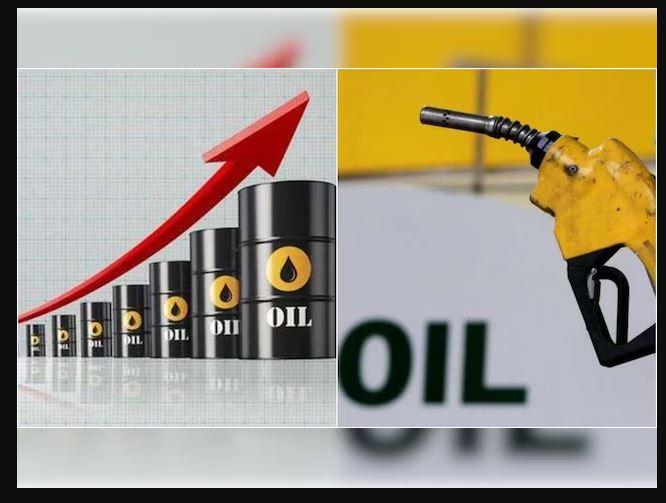
The ongoing war involving Iran has had a strong effect on global oil prices, and this has directly affected African countries. Oil is one of the most important resources in the world, and when there is conflict in a key oil-producing region like the Middle East, the impact is felt far beyond that region.
One of the main reasons for rising oil prices is the disruption of supply. The war has affected the flow of oil through the Strait of Hormuz, a very important route where about 20% of the world’s oil passes. When this route is blocked or unsafe, less oil reaches the global market. This shortage pushes prices up quickly.
In 2026, oil prices increased sharply after the war began. Some reports show that prices rose by about 50% or more, and in some cases reached between $120 and $150 per barrel due to reduced supply and market fear. Analysts also raised their yearly forecasts for oil prices by around 30%, showing how serious the situation became.
African countries are heavily affected because many of them import oil instead of producing it. When global oil prices rise, these countries must spend more money to buy fuel. This leads to higher petrol and diesel prices locally. Governments in Africa have already increased fuel prices as a result of the war, and this is putting pressure on their economies.
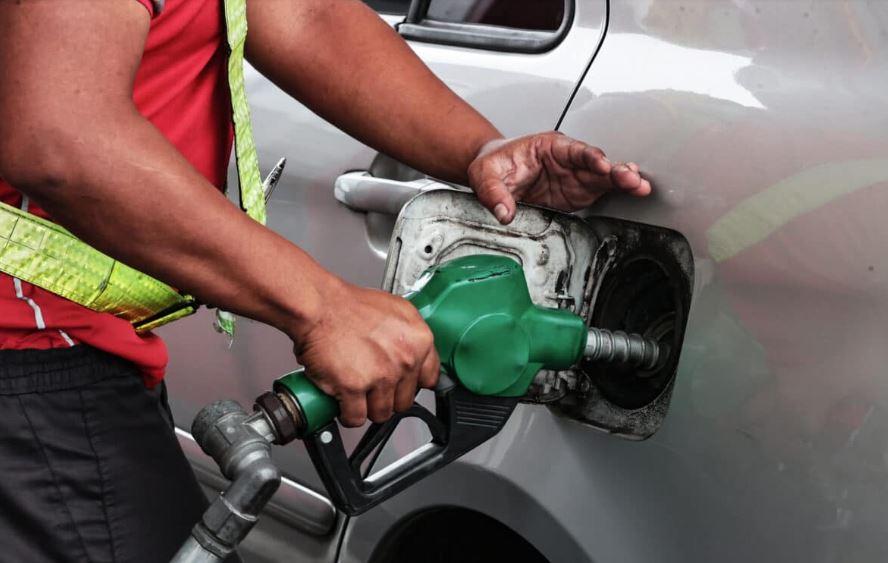
The effect is not the same in all African countries. Oil-importing countries like Kenya, Ethiopia, and Egypt are the most affected because they depend on foreign supply. In these countries, fuel prices have risen sharply, in some cases by 30% to 70%, and even higher in extreme situations. This increase affects transport, electricity, and the cost of basic goods. For example, when fuel becomes expensive, the cost of transporting food also rises, which leads to higher food prices.
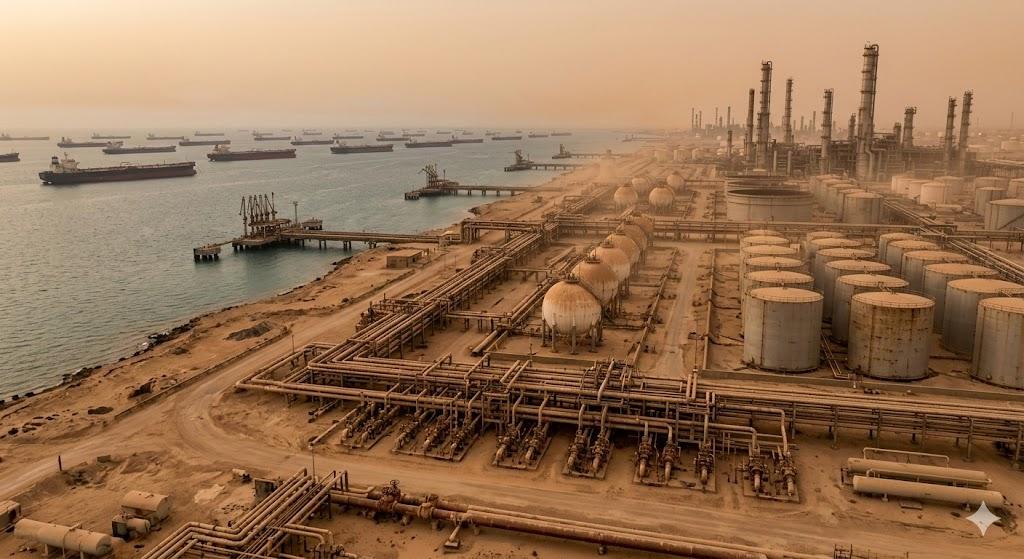
Even oil-producing countries in Africa do not escape the problem. Countries like Nigeria and Ghana produce crude oil, but they still import refined fuel. This means that even though they may earn more from exporting oil, ordinary people still face high fuel costs.
The rise in oil prices also increases inflation across the continent. Inflation means that the general cost of living goes up. As fuel prices increase, businesses spend more on transport and production, and they pass these costs to consumers. This can slow down economic growth and make life harder for many people.
Another important effect is on government budgets. Many African governments try to control fuel prices by giving subsidies. However, when global oil prices rise too much, these subsidies become expensive and difficult to maintain. Some countries are forced to increase fuel prices or reduce support, which can lead to public dissatisfaction.
In conclusion, the Iranian war affects oil prices by disrupting supply, increasing global uncertainty, and pushing prices higher. African countries feel these effects strongly because of their dependence on imported fuel. The result is higher transport costs, rising food prices, inflation, and pressure on both governments and households. This situation shows how global conflicts can have serious economic effects even in regions far from the war itself.

🇺🇸 Average US Income Benchmarks
| US Median Household Income | $74,580 |
| US Average Individual Income | $63,795 |
| Top 10% Threshold | $191,000 |
| Top 1% Threshold | $591,000 |
🎬 Celebrity Net Worth Tiers
| Rising TV Actor | $500K - $5M |
| Established TV Star | $10M - $30M |
| Movie Star | $50M - $150M |
| A-List Celebrity | $200M - $500M |
| Entertainment Mogul | $1B+ |
📈 Did You Know? The S&P 500 has returned about 10% annually over the last 50 years.
Investing $500/month at 10% for 30 years = $1,130,000.
Leave a comment
Your email address will not be published. Required fields are marked *