Early Life and Background
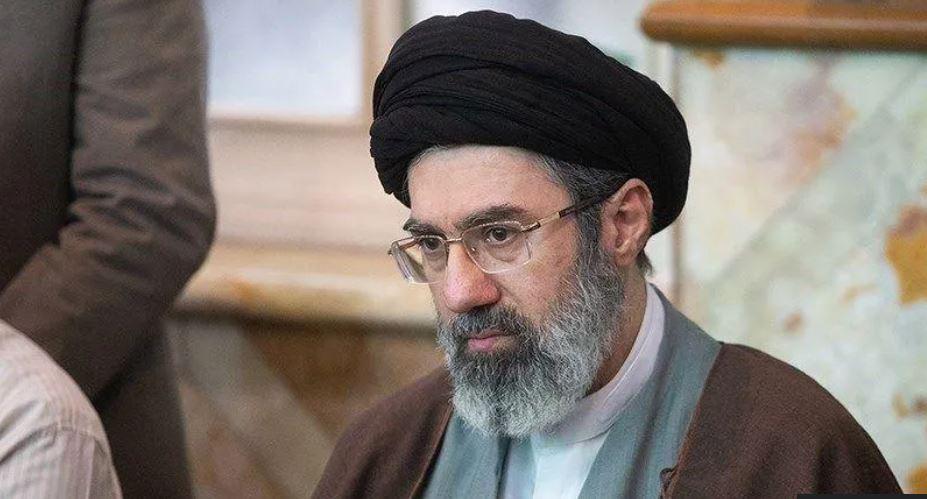
Iran’s current supreme leader is Mojtaba Khamenei. He rose to the country’s highest position of authority following the death of his father, Ali Khamenei, who had led the Islamic Republic since 1989. Born on 8 September 1969 in Mashhad, Mojtaba grew up in a deeply religious and politically influential family at the heart of Iran’s clerical establishment.
He pursued his early education in Tehran before continuing his religious studies in Qom, the country’s most important center for Shia Islamic scholarship. There, he trained as a cleric, following a path similar to his father. Despite his lineage, Mojtaba Khamenei maintained a relatively low public profile for much of his life. Unlike many prominent Iranian figures, he rarely gave speeches or interviews and avoided direct media exposure, which contributed to an air of mystery around him.
His early life coincided with major events in Iran’s history, including the aftermath of the Iranian Revolution and the consolidation of the Islamic Republic. Growing up in such an environment likely shaped his worldview, particularly regarding governance, religion, and Iran’s relationship with the outside world.
Rise to Power and Controversy
Mojtaba Khamenei first came into wider public attention during the 2005 presidential election that brought Mahmoud Ahmadinejad to power. At the time, some political figures and analysts alleged that he played a behind the scenes role in supporting Ahmadinejad’s campaign. While such claims were never officially confirmed, they contributed to perceptions of his growing influence within Iran’s political system.
His name also surfaced during the disputed 2009 presidential election, which triggered mass protests known as the Green Movement. Critics again suggested that Mojtaba was involved in efforts to maintain the existing power structure. These allegations, whether proven or not, reinforced concerns among reformist groups about the concentration of power within a small elite circle.
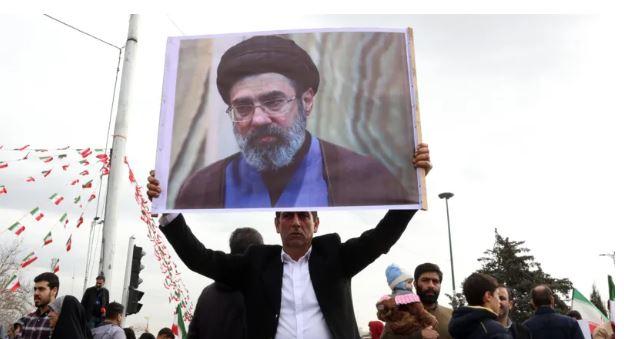
His eventual appointment as supreme leader has been particularly controversial. Iran’s political system, established after the 1979 revolution, is designed to select its highest authority through the Assembly of Experts based on religious scholarship, political experience, and leadership capability. Critics argue that Mojtaba’s rise suggests a shift away from this principle toward a more hereditary form of leadership, something the Islamic Republic was originally meant to avoid. Supporters, however, maintain that his religious credentials and experience within the system justify his position.
Role and Challenges as Supreme Leader
As supreme leader, Mojtaba Khamenei holds the highest authority in Iran. The position grants him control over key state institutions, including the armed forces, the judiciary, and major media organizations. He also has the final say on critical national matters, from foreign policy to internal security.
Many observers expect him to continue policies similar to those of his father, particularly in maintaining a cautious and often confrontational stance toward Western countries. Issues such as nuclear negotiations, regional influence, and sanctions remain central to Iran’s international relations. At the same time, he must navigate a complex domestic landscape marked by economic challenges, including inflation, unemployment, and the impact of international sanctions.
Public dissatisfaction is another major issue. Over the years, segments of Iran’s population have expressed frustration with economic hardship and political restrictions. Managing these internal pressures while maintaining stability will be one of the defining tests of his leadership.
Because his tenure is still relatively new, much about his leadership style remains uncertain. Whether he will introduce reforms or continue a strictly conservative approach is yet to be fully seen. What is clear, however, is that his decisions will play a significant role in shaping Iran’s future, both domestically and on the global stage.

🇺🇸 Average US Income Benchmarks
| US Median Household Income | $74,580 |
| US Average Individual Income | $63,795 |
| Top 10% Threshold | $191,000 |
| Top 1% Threshold | $591,000 |
🎬 Celebrity Net Worth Tiers
| Rising TV Actor | $500K - $5M |
| Established TV Star | $10M - $30M |
| Movie Star | $50M - $150M |
| A-List Celebrity | $200M - $500M |
| Entertainment Mogul | $1B+ |
📈 Did You Know? The S&P 500 has returned about 10% annually over the last 50 years.
Investing $500/month at 10% for 30 years = $1,130,000.
Leave a comment
Your email address will not be published. Required fields are marked *